When most people think about their roof, they think about protection, keeping rain out, and shingles intact. But at Whitney Roofing, we know your roof does far more than that. The design of your roofing system plays a major role in how energy-efficient your home or commercial property is, how comfortable it feels year-round, and how much you’ll spend over time on repairs, maintenance, and utility bills.
With years of hands-on experience, we’ve seen firsthand how smart roof design choices can make a meaningful difference. That’s why we believe in educating homeowners and property owners, so you can make decisions that serve you not just today, but for years to come.
What Roof Design Really Means
Roof design isn’t just about how your roof looks from the street. It’s a combination of factors that work together to determine overall roof performance, including:
- Roofing materials
- Roof slope and shape
- Ventilation and airflow
- Roofing insulation
- Color and reflectivity
When these elements are properly matched to your property, they create an energy-efficient roofing system that supports comfort and long-term durability.
Energy Efficient Roofing Starts with Materials
One of the biggest roof design benefits comes from choosing the right materials. Different roofing systems interact with heat and sunlight in different ways.
Asphalt Shingles
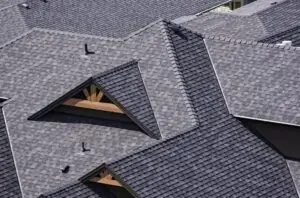
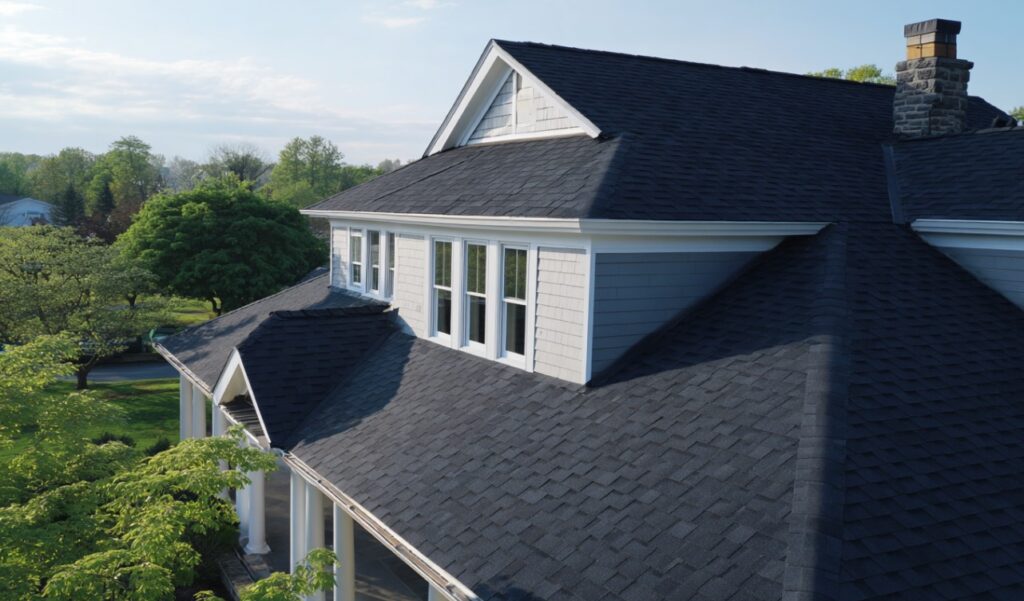
Modern asphalt shingles, especially architectural, premium, and impact-resistant options, are designed to perform better than older roofing products. Many are manufactured to reflect more sunlight and reduce heat absorption, helping your attic and living spaces stay cooler during warmer months.
Metal Roofing
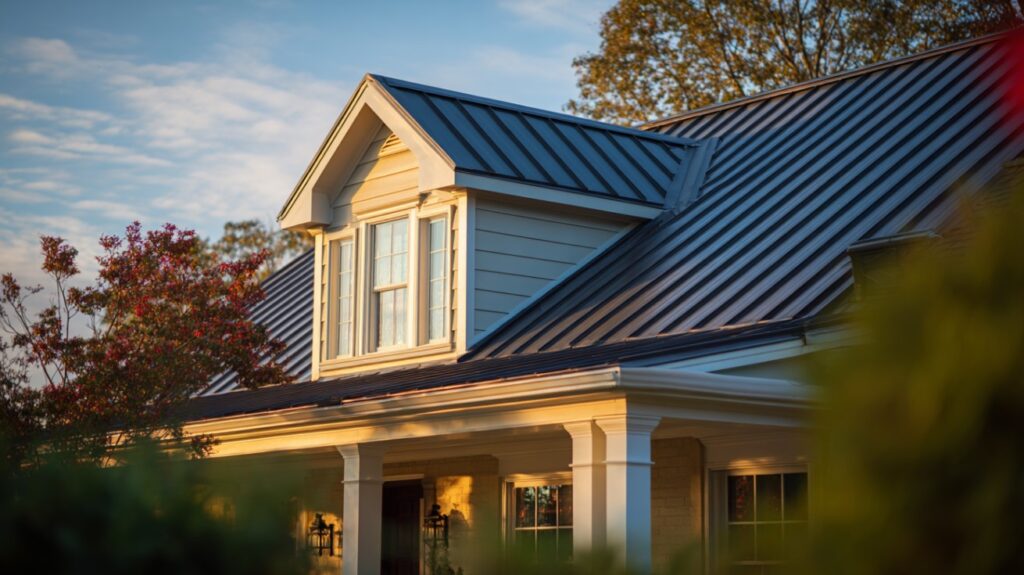
Metal roofing is one of the sturdiest options for energy-efficient roofing. Metal naturally reflects solar heat instead of absorbing it, which can significantly reduce cooling demands. Standing seam and metal shingle systems, in particular, offer excellent thermal performance and long-term durability.
Synthetic Tile Roofing
Synthetic tile provides the visual appeal of traditional tile while offering improved weight and performance benefits. Its design allows for better airflow beneath the roof surface, which can help regulate attic temperatures and improve overall comfort.
The Role of Roof Shape and Slope
Your roof’s shape and pitch also affect how efficiently it manages heat, moisture, and airflow. Steeper-sloped roofs tend to shed heat and water more effectively, while low-slope roofs, common on commercial buildings, require carefully designed insulation and membrane systems to maintain performance.
For commercial properties, systems like TPO, PVC, and EPDM are designed specifically to enhance roof performance on low-slope structures. When paired with proper insulation and coatings, these systems help reduce energy loss and maintain consistent indoor temperatures.
Why Roofing Insulation Matters
No roofing system is complete without proper insulation. Roofing insulation acts as a barrier that slows heat transfer between the inside and outside of your building. Without it, even the best roofing materials can fall short.
Good insulation helps:
- Keep warm air inside during colder months
- Reduce heat gain during warmer months
- Lower heating and cooling costs
- Improve indoor comfort year-round
For both residential and commercial properties, insulation is one of the most important investments you can make in long-term roof performance.
Ventilation: The Often-Overlooked Design Element
Ventilation works hand-in-hand with insulation. A well-ventilated roof allows hot, trapped air to escape from the attic or roof assembly, preventing moisture buildup and reducing strain on HVAC systems.
Proper ventilation can:
- Extend the lifespan of roofing materials
- Prevent moisture-related issues
- Improve overall energy efficiency
- Support healthier indoor air quality
This is one of those roof design benefits that homeowners don’t always see, but absolutely feel in comfort and cost savings.
Long-Term Costs and Roof Performance
Upfront cost is important, but roof design decisions have long-term financial impacts. Energy-efficient roofing systems can help lower monthly utility bills, reduce maintenance needs, and extend the life of your roof. Over time, that can mean thousands of dollars in savings and fewer unexpected repairs.
Commercial property owners also benefit from roof coatings and maintenance programs, which help preserve roof performance, improve reflectivity, and delay the need for full replacement.
Designed with Care, Installed with Integrity
At Whitney Roofing, we don’t believe in one-size-fits-all solutions. Every home and commercial building has unique needs, and our job is to help you understand how roof design, materials, and insulation work together to protect your investment.
If you’re considering a new roof, replacement, or upgrade, our team is here to guide you with honesty, education, and craftsmanship you can trust. Reach out to Whitney Roofing today to learn how the right roofing design can improve comfort, long term value, and energy efficiency for your home and property.