When winter settles in across Illinois, homeowners often think that roofing projects have to wait until spring. Snow, ice, and the freezing temperatures can make roof work feel risky or impractical. However, the truth is that winter doesn’t automatically rule out roofing solutions. In many cases, the real question isn’t when you should address your roof, it’s whether you should choose a repair or a full replacement.
Understanding Illinois roof replacement vs repair decisions during winter can help you protect your home, prevent escalating damage, and avoid higher costs down the road.
Why Winter Roofing Decisions Matter in Illinois
Illinois winters are unpredictable. One week might bring heavy snowfall, while the next brings freezing rain or brief thaws followed by sharp temperature drops. These freeze–thaw cycles are especially hard on roofing systems. Small issues like cracked shingles, loose flashing, or worn fasteners can quickly worsen once moisture enters and refreezes.
Waiting until warmer weather may seem convenient, but unresolved issues often grow during winter. Water intrusion doesn’t stop just because temperatures drop; it simply becomes harder to detect until damage is already done.
When a Winter Roof Repair Makes Sense
In many cases, winter roof repairs are both practical and effective. Repairs are often the right choice if the problem is isolated and the rest of the roof is still in good condition.
A winter repair may be the best option if:
- The leak is caused by a small, localized problem
- Shingles or metal panels were damaged by wind or ice
- Flashing around vents or chimneys has loosened
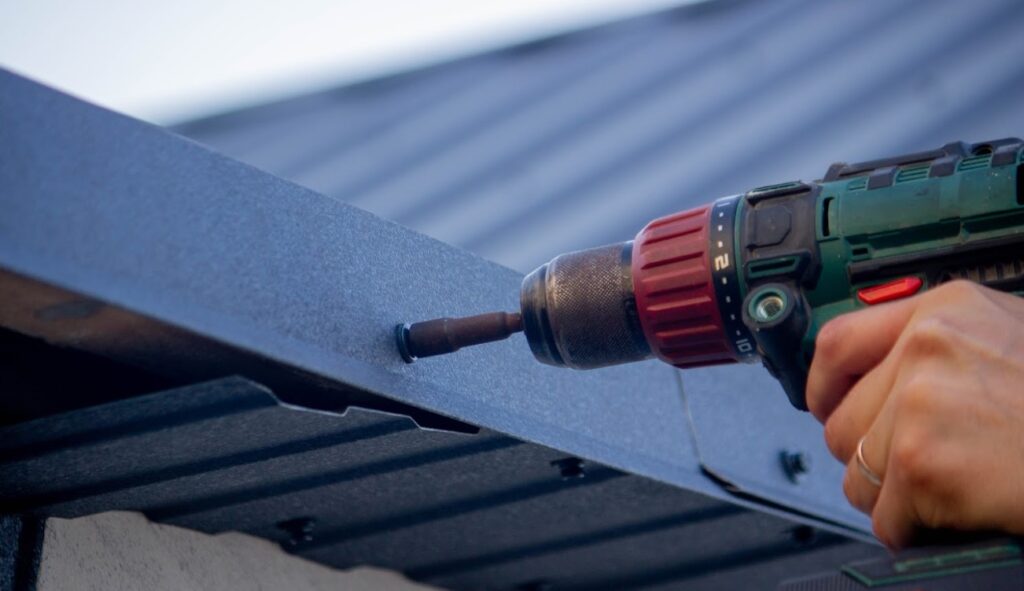
- Fasteners on a metal roof have backed out
Targeted repairs can stop active leaks, protect interior spaces, and stabilize the roof until long-term planning makes sense. Whitney Roofing regularly performs winter repairs using materials and methods suited for cold-weather conditions, ensuring the fix holds even through snow and ice.
When Replacement Is the Smarter Winter Choice
While repairs are often effective, there are situations where a full replacement is the safer and more cost-efficient option, even in winter.
You may want to consider replacement if:
- Your roof is near or beyond its expected lifespan
- Leaks are recurring or appearing in multiple areas
- There is widespread shingle deterioration or metal corrosion
- Past repairs are no longer holding up
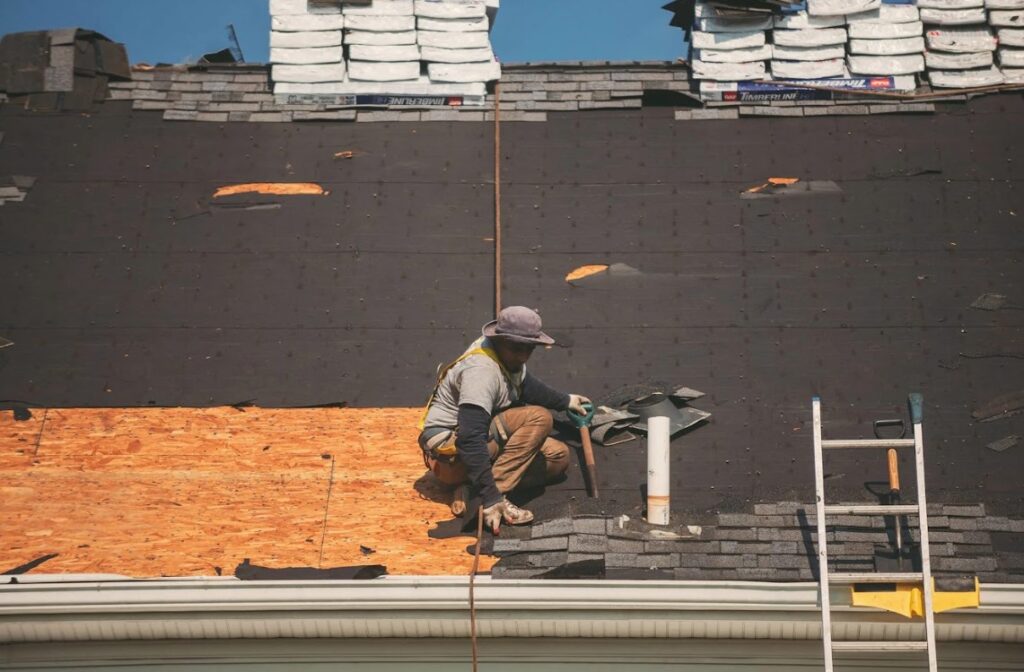
Winter replacement can actually prevent further structural damage. If water continues entering your roof system, it can affect decking, insulation, and framing. Addressing the problem fully can stop that damage before spring storms add even more stress.
Is Roof Replacement Safe in Winter?
A common misconception is that roof replacement can’t be done properly in cold weather. In reality, professional roofing teams know how to adapt installation techniques to winter conditions.
For asphalt shingles, proper sealing methods and temperature considerations are critical. For metal roofing systems, such as standing seam, corrugated metal, or metal shingles, cold-weather installation is often very effective, as metal is less sensitive to temperature changes than some other materials.
The key factor isn’t the season; it’s experience. A qualified roofing contractor understands how to schedule work safely, protect materials, and ensure long-term performance even during winter months.
Cost Considerations: Repair vs Replacement
One of the biggest factors in Illinois’ roof replacement vs repair decisions is cost. Repairs typically require a smaller upfront investment, which makes them appealing for short-term solutions. However, repeated repairs can add up quickly if underlying issues aren’t addressed.
Replacement costs more initially, but it often provides better long-term value when the roof is already nearing the end of its lifespan. A new roofing system reduces the risk of surprise leaks, interior damage, and emergency calls during future storms.
The Role of Gutters in Winter Roofing Decisions
Roof performance in winter isn’t just about shingles or panels. Gutters play a major role in managing snowmelt and ice buildup. Poor drainage can lead to water backing up under roofing materials, increasing the risk of leaks.
Seamless gutters and gutter guards help move melting snow away from your roofline more efficiently, reducing strain on the roof system. Addressing gutter issues alongside roof repairs or replacement can significantly improve winter performance.
Making the Right Choice for Your Home
There’s no one-size-fits-all answer when it comes to winter roofing decisions. The right choice depends on your roof’s age, condition, and the severity of the damage. That’s why professional evaluation is so important, especially during Illinois winters, when problems can escalate quickly.
At Whitney Roofing, we focus on education and transparency. Our family-owned company believes homeowners deserve clear explanations and honest recommendations. Whether that means a simple winter repair or a full replacement, our goal is to help you make the decision that best protects your home.
If you’re weighing whether to repair or replace your roof this winter, don’t guess. Addressing the issue now can save time, money, and stress when spring arrives.